

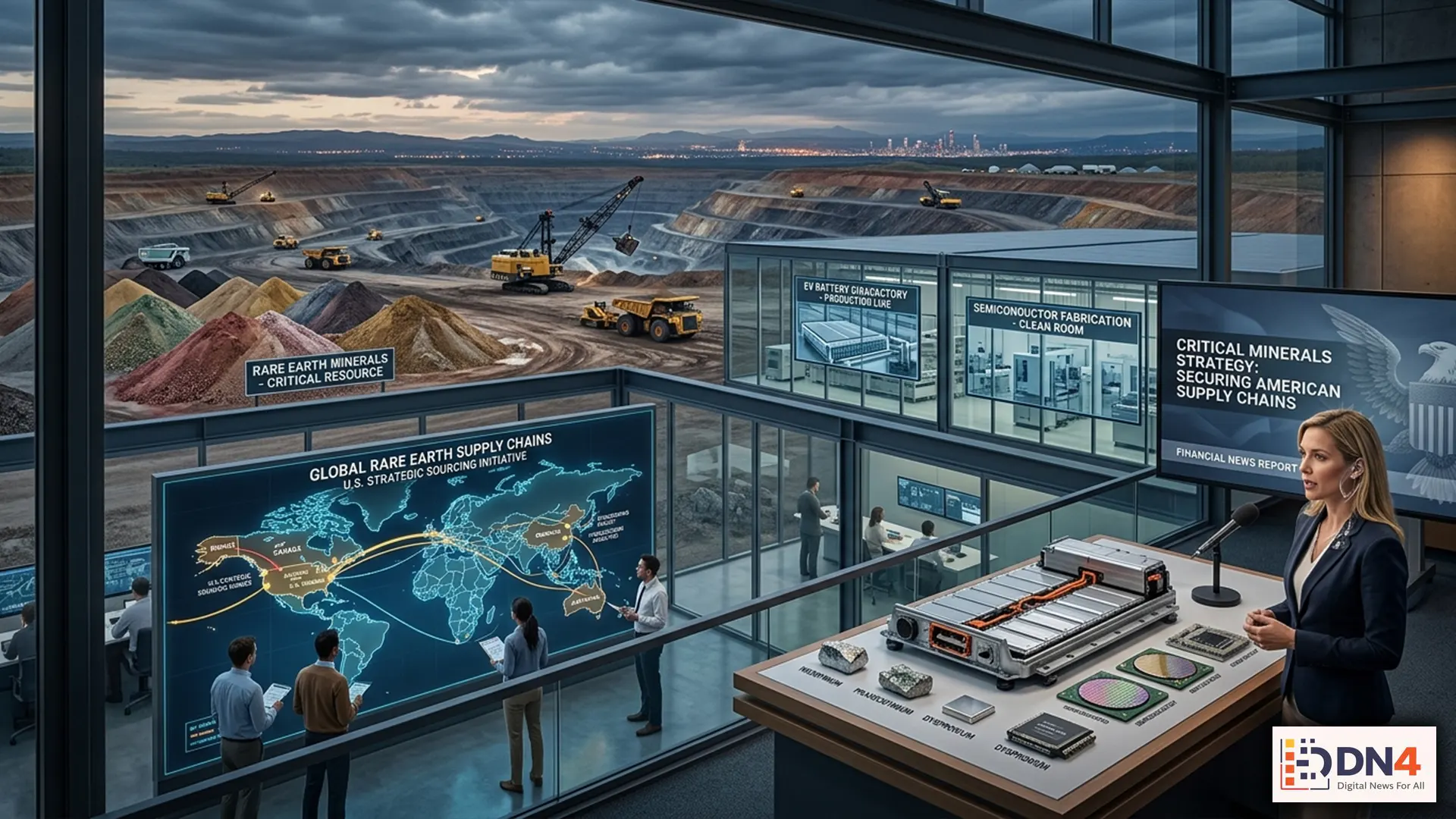
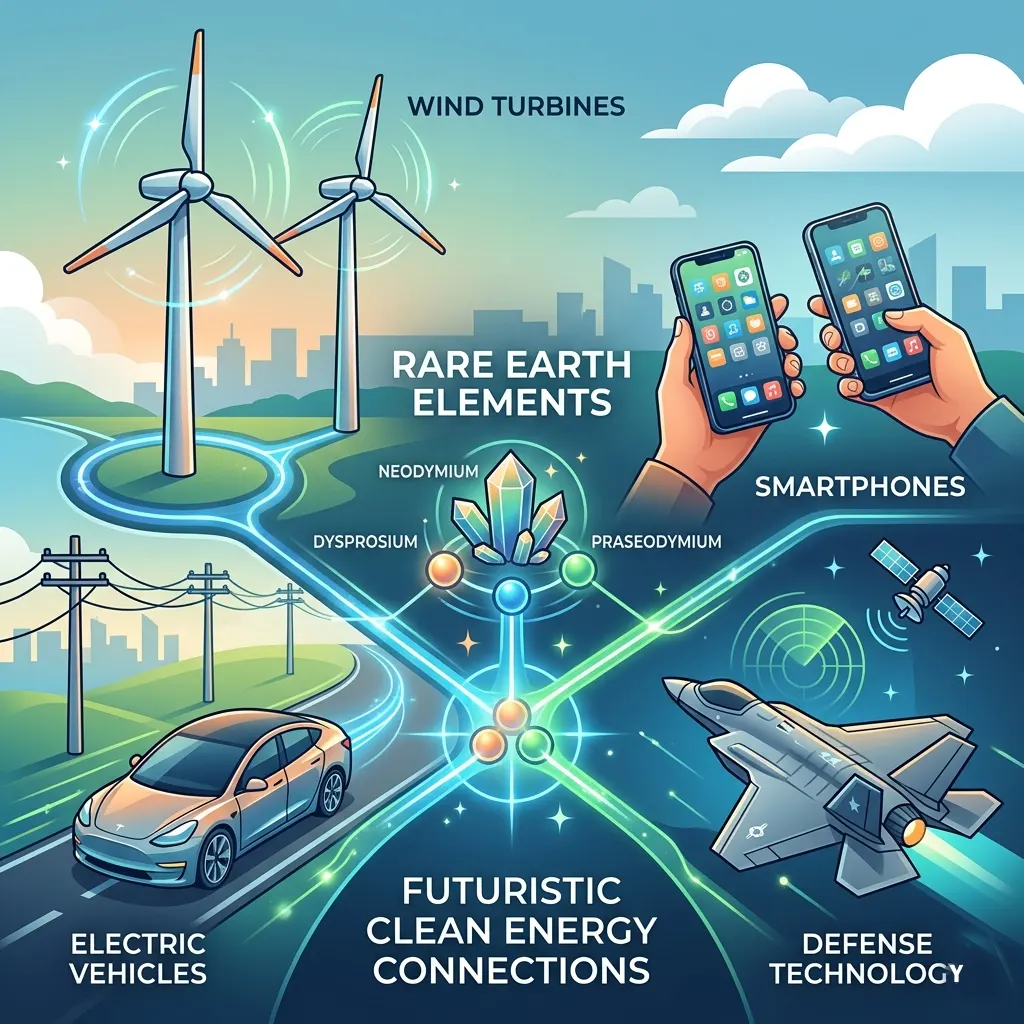
Rare earth minerals have become one of the most important resources in the modern economy. From electric vehicles and smartphones to renewable energy systems and advanced defense technology, these critical materials power many of the industries shaping the future.
For decades, global rare earth processing has been heavily concentrated in a small number of countries, creating supply chain vulnerabilities. The United States is now accelerating efforts to build a more resilient domestic and international supply network.
Why Rare Earth Minerals Matter
Rare earth elements are a group of specialized minerals used in powerful magnets, batteries, electronics, and military equipment. Although they are not always rare in the Earth’s crust, they are difficult and expensive to extract and process.
The U.S. Geological Survey tracks critical mineral availability and highlights their importance for national economic security.
The Challenge of Global Supply Chain Dependency
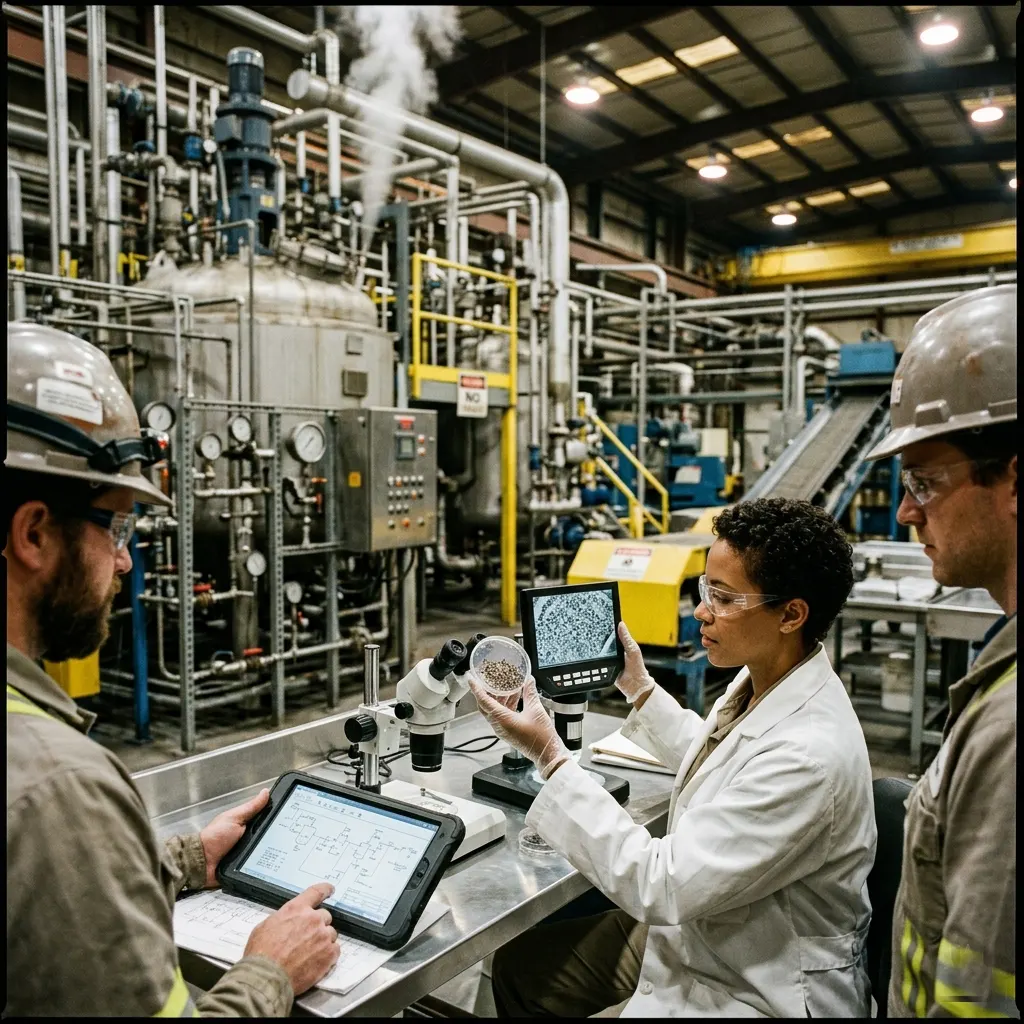
A major challenge for the United States is that mining alone does not solve the problem. Processing and refining capabilities are equally important parts of the supply chain.
China has historically played a dominant role in rare earth processing, creating concerns among policymakers about supply disruptions caused by trade disputes or geopolitical tensions.
The International Energy Agency’s critical minerals research shows that demand for these resources is expected to increase as clean energy technologies expand.
The U.S. Plan to Build Mineral Independence
The United States is investing in several areas:
- Domestic mining and processing projects
- Recycling technologies for critical materials
- Partnerships with allied nations
- Alternative materials research
- Supply chain monitoring systems
Government agencies such as the U.S. Department of Energy are supporting initiatives focused on strengthening critical mineral supply chains.
Impact on Technology and Green Energy Industries
Rare earth security directly affects industries including electric vehicles, renewable energy, robotics, artificial intelligence hardware, and semiconductor manufacturing.
Companies are increasingly evaluating supply chain resilience as part of long-term business planning. Investors are also watching mining companies, battery manufacturers, and clean technology firms that depend on these materials.
Global Competition for Critical Resources
The race for rare earth minerals is becoming a major factor in global economic competition. Countries are seeking stronger partnerships with mineral-rich nations while developing domestic capabilities.
Organizations such as the OECD mining policy division and World Bank extractive industries programs study the economic impact of resource development.
What Happens Next?
The shift toward secure rare earth supply chains will likely continue as nations balance economic growth, technology competition, and energy transition goals.
The countries that successfully build reliable mineral networks may gain a strategic advantage in the next generation of technology and manufacturing.
The U.S. strategy to reduce rare earth dependency represents a broader effort to protect critical industries and strengthen economic security. As demand grows, controlling access to essential minerals will become increasingly important for global competitiveness.
- The White House Critical Minerals Policy
- U.S. Department of the Interior
- Office of the U.S. Trade Representative
- National Mining Association
#RareEarthMinerals #CriticalMinerals #SupplyChain #CleanEnergy #TechnologySecurity #EVIndustry #GlobalEconomy #MiningIndustry #USStrategy